Catch Basin or Channel Drain: How to Choose
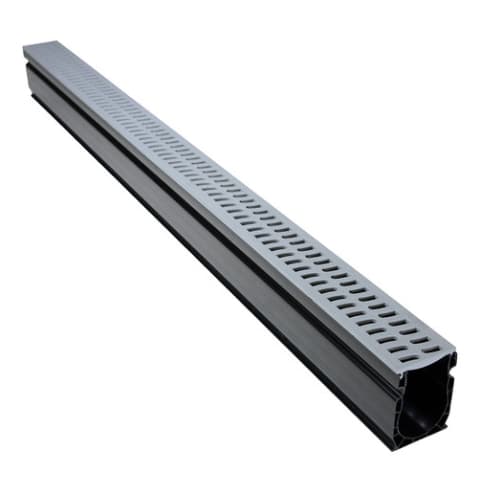
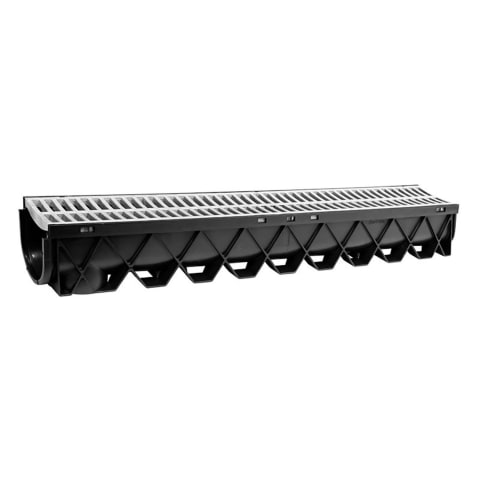
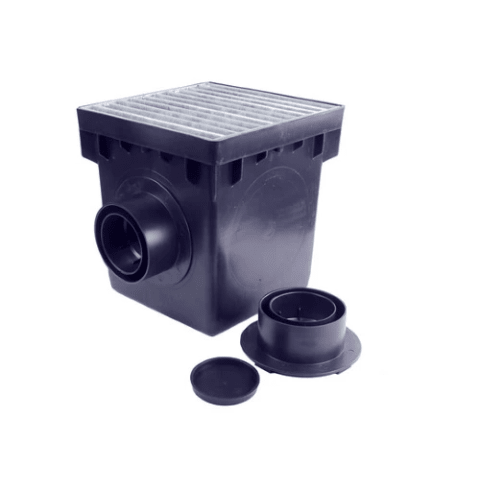
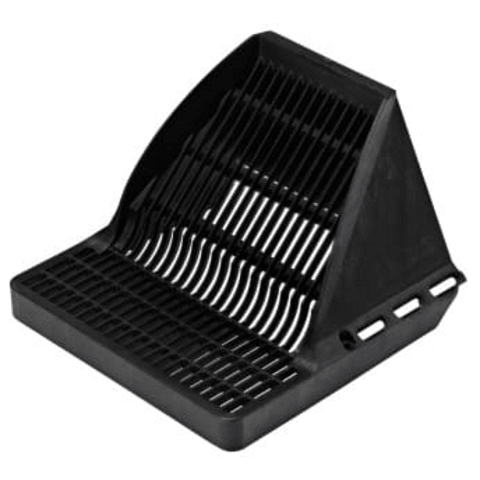
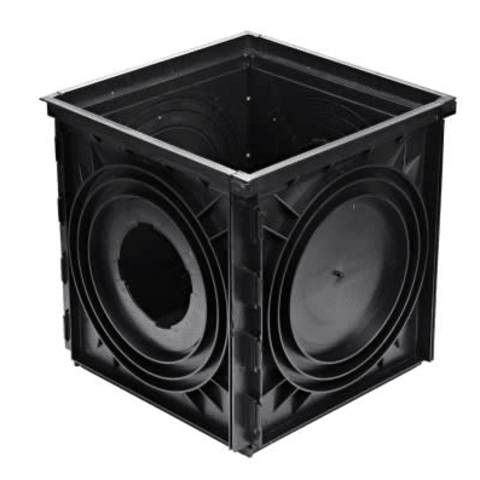
Match the drain to the water. A catch basin collects water at a single low point: a yard depression, a downspout, the foot of a slope. It ties into buried pipe. A channel drain (trench drain) intercepts sheet flow across a wide hard surface like a driveway, patio, or pool deck, where you need a continuous line instead of one point.
Size the rest to match. Connect runs with the right fittings and drain pipe, and choose a grate with a load rating for the traffic it will see: pedestrian, driveway, or vehicular. Where a buried line discharges above grade, a pop-up emitter opens under flow and reseals when it stops, so there is no open pipe in the lawn. Keep a fall of at least 1% on drain lines so they self-clear.
Drainage FAQ
Catch basin or channel drain: which do I need?
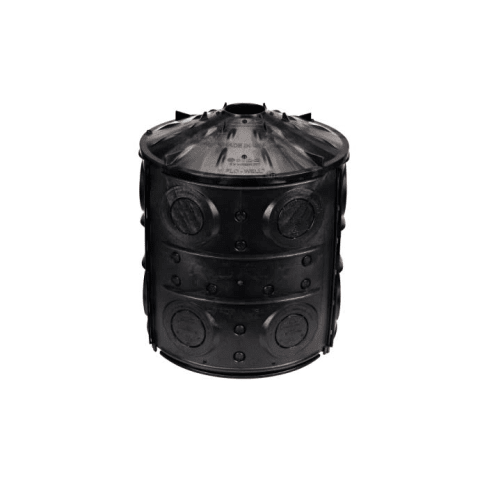
Use a catch basin to collect water at one low point and a channel drain to catch sheet flow across a wide paved surface. Many sites use both. Put basins at downspouts and low spots, a channel across the driveway apron.
What grate load rating do I need?
Match the grate to the traffic. Manufacturers rate grates from light pedestrian use up to driveway and vehicular (traffic) loads; check the spec for the rating class before placing a drain where vehicles cross it.
How does a pop-up drainage emitter work?
A pop-up emitter sits at the end of a buried drain line. Water pressure lifts the cap so the line can daylight above grade, then it reseals when flow stops. That keeps debris, animals, and mower blades out of an open pipe.
What size pipe should a yard drain use?
Residential surface drains commonly run 3 or 4 in. drain pipe; size up as you combine runs so the downstream pipe carries the total flow. Keep at least a 1% slope to the outlet.









 Out of stock





 Out of stock
 Out of stock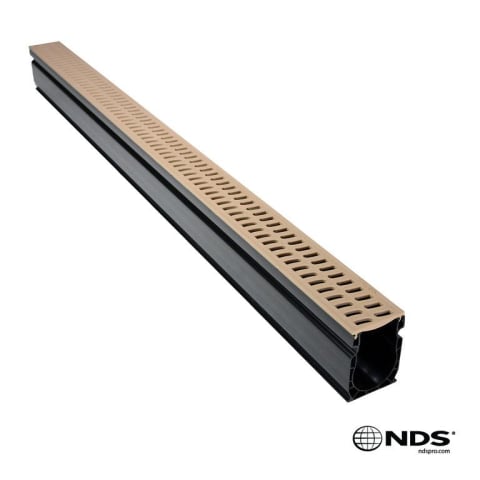

 Out of stock