


Shop Landscape Lighting by Type
How to Plan a Low-Voltage System
Match each fixture to the job, then size the power to match. Total your fixture wattage and pick a transformer rated about 25% higher so you can expand later. On long runs, voltage drop dims the far fixtures — use a multi-tap transformer (12/13/14/15V) and step up to 12-gauge wire to keep brightness even end to end.
Choose brass or quality composite housings that stand up to irrigation, foot traffic, and weather. We carry pro lines including FX Luminaire and Brilliance.

Brilliance MR16-4-ECO-2700-30
MR16 Ecostar - 4-Watt, 2700K, 30 DEG, 8-25VAC, DimmableOn Sale
Brilliance MR16-7-2700-30
MR16 LED- 7-Watt, 2700K, 30 DEG, 8-25VAC, Dimmable, 1.2A Max Current
VistaPro MT-300
Stainless Steel MT Transformer 300W
VistaPro ES-150
Energy Smart Stainless Steel Transformer 150W
VistaPro PACK-2-B
Black 5006/4704 Pro Pack Outdoor Lighting with Transformer
VistaPro PR-4704-GT-NL
15.75" Granite Aluminum Path Light
Brilliance MR16-5-SILVER-GREEN-60
MR16 LED - 5-Watt, Silver Green, 60 DEG, 8-25VAC, Dimmable, 0.8A Max CurrentOut of stock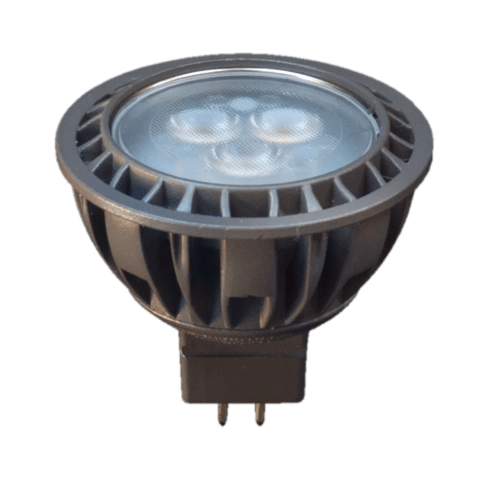
Brilliance MR16-7-2700-60
MR16 LED- 7-Watt, 2700K, 60 DEG, 8-25VAC, Dimmable, 1.2A Max CurrentOut of stock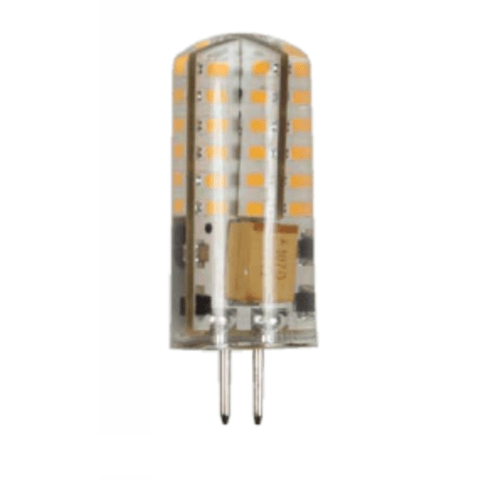
Brilliance BRI-G4-ECO-2-3000
G4 Ecostar 2Watt, 12Vac, 3000KOut of stock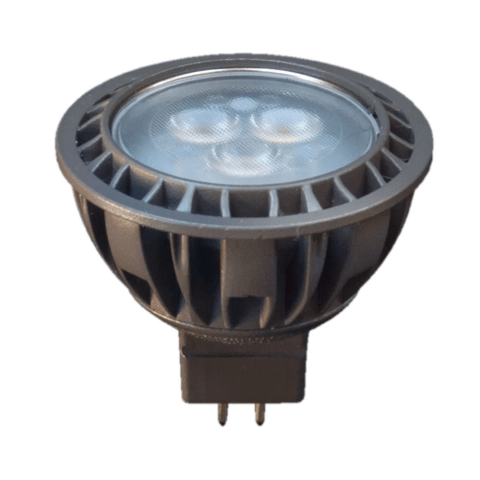
Brilliance MR16-5-2700-60
MR16 LED- 5-Watt, 2700K, 60 DEG, 8-25VAC, Dimmable, 0.8A Max CurrentOut of stock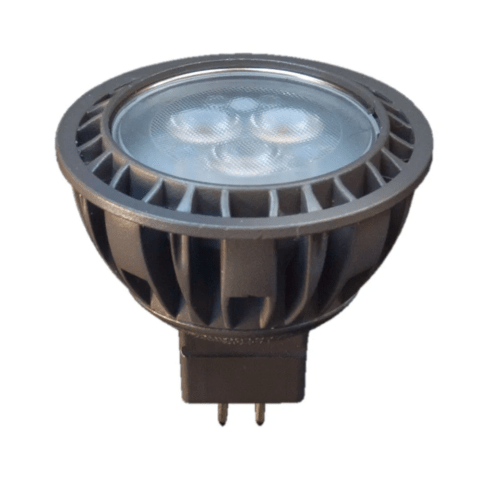
Brilliance MR16-5-2700-30
MR16 LED- 5-Watt, 2700K, 30 DEG, 8-25VAC, Dimmable, 0.8A Max CurrentOut of stock
Brilliance SURF-MT-M-3000-BR-BLK
Wall Washer Surface Mount With Medium Brass + Black Cerakote Shield And Integrated 3000K Light BarOut of stock
Brilliance MR11-2-2700-15
MR11 LED - 2-Watt, 2700K, 15 DEG, 8-25VAC, Dimmable, 0.4A Max CurrentOut of stock
Brilliance MR16-4-ECO-2700-60
MR16 Ecostar - 4-Watt, 2700K, 60 DEG, 8-25VAC, DimmableOut of stock
VistaPro PACK-1-DZ
Dark Bronze 5006/6507 Pro Pack Outdoor Lighting with TransformerOut of stock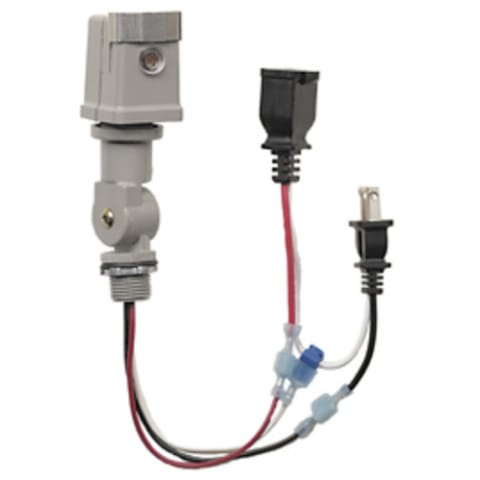
VistaPro FPC-150
Swivel Mount PhotocellOut of stock
VistaPro PR-2265-BSO-2.5-W-T3
15.875" Old Brass Aluminum Path Light with Warm T3 LED Lamp 2.5WOut of stock
VistaPro GR-2207-DZ-NL
Dark Bronze Up and Accent Light No LampOut of stock
VistaPro GW-5260-B-4.5-W-36
Black Inground 36 Degree Flood Well Light with MR16 LED Lamp 4.5WOut of stock
VistaPro SL-4243-DZ-2.5-W-T3
Dark Bronze Eyelid Step LightOut of stock


No product found!
Landscape Lighting FAQ
How many fixtures can one transformer power?
Total the wattage of every fixture and keep it around 80% of the transformer’s rating, leaving headroom to add later. LED fixtures draw far less than halogen, so one transformer powers many more of them.
What size wire do I need for landscape lighting?
Use 12- or 14-gauge low-voltage wire. Step up to 12-gauge on long or heavily loaded runs to limit voltage drop, which dims the fixtures farthest from the transformer.
Can I put my landscape lights on a timer?
Yes. A timer or photocell switches the system on at dusk and off on a set schedule, so the lights run themselves dusk to dawn.
LED or halogen for landscape lighting?
LED draws a fraction of the wattage, runs cooler, and lasts far longer — letting one transformer power more fixtures with less wire load. Most professional installations are now LED.
How deep should low-voltage lighting wire be buried?
Low-voltage wire is safe at shallow depth — commonly about 6 inches, enough to protect it from spades and foot traffic. Unlike line-voltage wiring, it does not require conduit.
Complete Your Lighting System
Try these related searches